
They are not suitable for every home or every market. Output depends on sunlight, panel angle, shading, local electricity prices, plug type, microinverter compatibility, and local safety regulations. Buyers should not treat plug-in solar as a typical household appliance that can be installed anywhere without any checks.
The question for consumers is simple: Can a small solar system help reduce daytime electricity use without the cost and complexity of rooftop PV?
For retailers, distributors, and solar kit brands, the question is more practical: Is the kit safe, documented, market-ready, and clear enough for consumers to install and operate responsibly?
How do plug-in solar panels work?
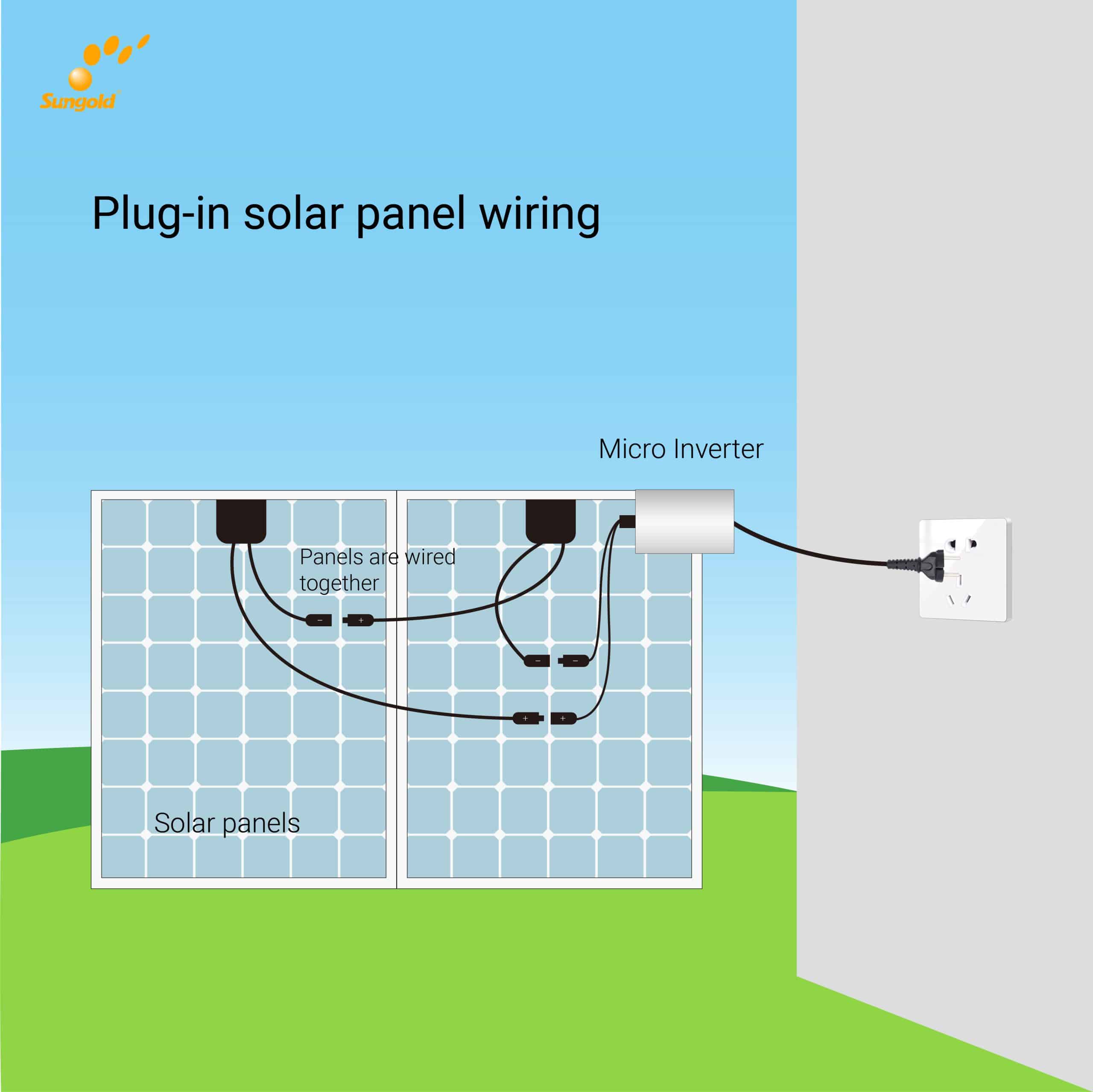
A plug-in solar system follows a simple energy path:
Solar panel -> micro inverter -> household circuit or load -> optional battery
A solar panel generates direct current electricity. The microinverter converts this to alternating current to be used by household loads or supplied via an approved plug-in connection, depending on product design and local regulations.
Some systems may include battery storage. This can help consumers shift solar energy from daytime to evening use. However, battery-connected plug-in systems may be considered different from simple plug-in solar products in some markets, so retailers should not assume that the same rules apply.
What usually comes in a plug-in solar kit?
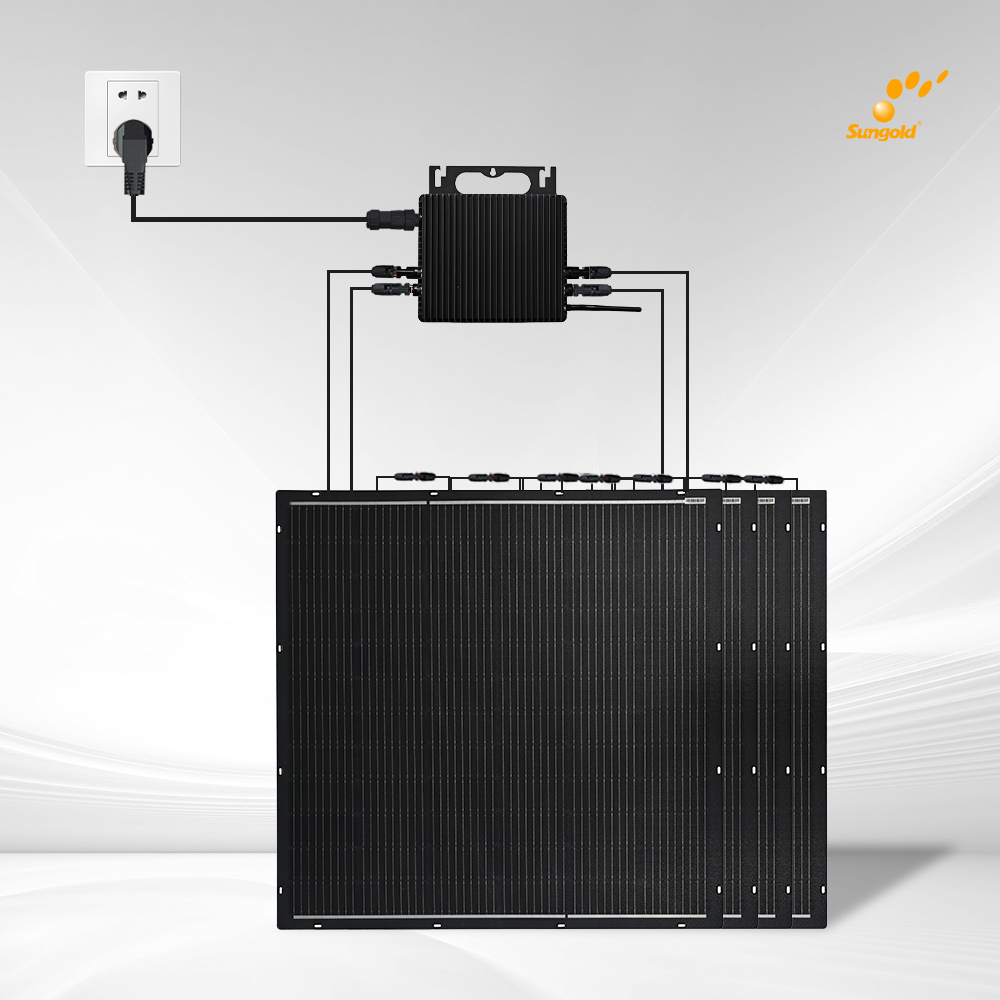
A plug-in solar kit is more than a panel in a box. A market-ready kit should help the consumer understand what the product can and cannot do.
| Component of the kit | Why it matters |
|---|---|
| Solar panels | Determine generation area, wattage, weight, appearance and durability. |
| Micro inverter | Converts DC to AC and must match local grid and safety requirements. |
| Growing systems | Determines whether the kit fits balconies, railings, walls, patios, or gardens. |
| Cables and connectors | Affect safety, weather exposure, installation distance, and maintenance. |
| A plug or connection device | Must match the target market and product safety regulations. |
| User manual | Limitations of setup, safe use, maintenance, and when professional review is needed should be explained. |
| Labels and warnings | Help reduce abuse and support retailer compliance. |
| Optional battery | May improve usability, but may create different safety and regulatory requirements. |
Are plug-in solar panels worth it?
Plug-in solar panels can be worthwhile if the user has a suitable installation location, daytime power demand, sufficient sunlight, and a product that meets local safety regulations.
| Type of customer or buyer | When it can fit. | Important caution |
|---|---|---|
| Tenant | When roof access is not available and a removable balcony or patio setup is permitted. | Landlord, property, and local laws may still apply. |
| Flat or apartment users | When balcony space, sunlight, and safe growing conditions are suitable. | Shading, wind exposure, and railing structure can limit fit. |
| tiny houses | When customers want a smaller entry point before rooftop solar. | It should not be marketed as a whole-home solar alternative. |
| Retailer | When the kit has clear instructions, packaging, safety labels, and market-specific product limitations. | Weak documentation can lead to post-sale and compliance issues. |
| System brands | When panel, inverter, mounting, battery, and cable selection are evaluated together. | A kit design may not fit every country or application. |
A plug-in solar kit should be considered a small power system and not a simple bill-cutting device.
What affects output and payoff?
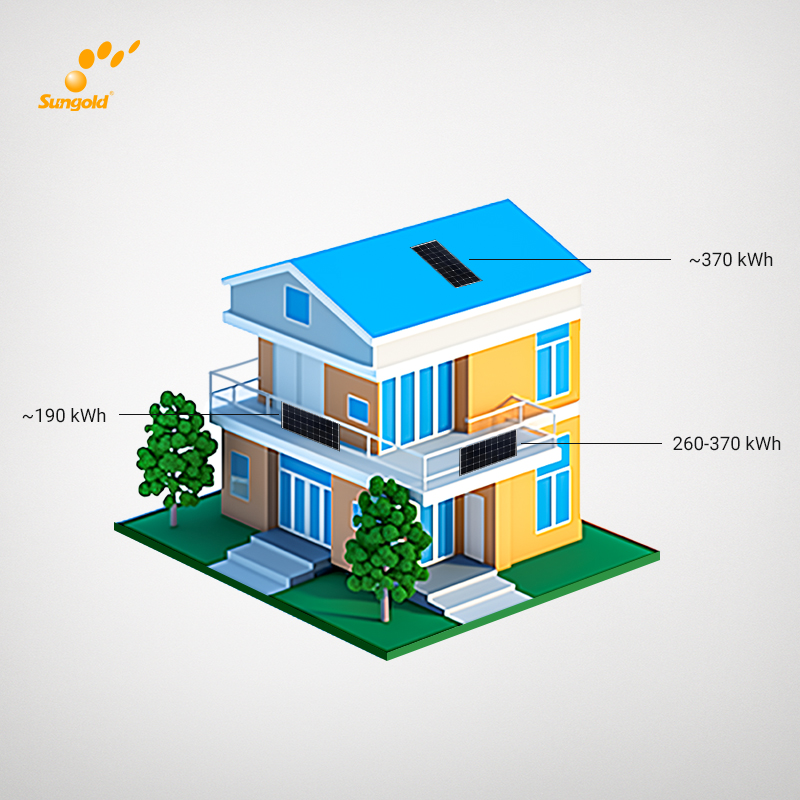
Older plug-in solar articles often give fixed annual generation or fixed annual savings. This is the danger. Actual production depends on installation and market conditions.
| The agent | What buyers should check. |
|---|---|
| Hours of sunlight | Output changes by country, city, season and season. |
| Panel direction | South-facing installations generally perform better in the Northern Hemisphere. |
| Angle of inclination | A panel installed in a vertical balcony may produce a less than optimal tilt. |
| Shading | Railings, trees, buildings and nearby walls can reduce yield. |
| Panel Wattage | Higher wattage only helps if space, inverter and regulations allow it. |
| Self consumption | Savings are better when consumers use solar energy during the day. |
| Price of electricity | Higher retail electricity prices can improve repayment, but prices change over time. |
| Local laws | Registration, plug type, inverter approval, and product standards vary by market. |
Safety and principle limitations
Plug-in Solar roles are changing rapidly. Parts of Germany, Great Britain and the United States are being discussed separately, and the details are not the same.
In the UK, the Department for Energy Conservation and Net Zero has consulted on regulatory changes and an interim product specification for plug-in solar products. Government material focuses on safe, compatible plug-in solar products and clarifies that the proposed framework is product-specific and does not automatically cover every plug-in technology, such as plug-in batteries.
In Germany, balcony solar systems are a more developed framework, but users still need to comply with applicable registration and technical requirements. The Bundesnetzagentur explains that there are simplified rules for plug-in solar devices, while registration in the Marktstammdatenregister is still required.
Buyers for the US need to be especially careful. Rules may vary by state, utility, interoperability requirements, and product certification. Inverters and interconnection equipment may need to comply with standards such as UL 1741 and related grid requirements.
Plug-in Solar vs. Rooftop Solar vs. Portable Power Station
Plug-in solar is not the same as rooftop solar or portable power. Buyers should understand the difference before choosing a system.
| option | Excellent fit | Critical limit |
|---|---|---|
| Plug-in solar panels | Flats, Tenants, Balcony, Tiny Houses, and Simple Solar Entry. | Limited production and market-specific safety rules. |
| Solar on the roof | Homeowners with rooftop access and long-term installation plans. | High installation costs, permits, installer work, and roof suitability testing. |
| Portable power station with solar panel | Camping, backup, outdoor use, and mobile power. | Generally not designed to directly offset domestic grid consumption. |
| Balcony solar with battery | Customers who want to store solar during the day for evening use. | More complex product rules and higher system cost. |
What retailers and kit brands should check.
For retailers, distributors, and brands of solar kit, a product must be easy to describe before it can be easy to sell.
- target market laws and product safety expectations;
- panel wattage and physical size;
- microinverter input and output compatibility;
- plug type and socket assumptions;
- cable length and outdoor routing;
- Balcony, railing, wall, or ground mounting options;
- wind load and installation stability;
- User manual standards;
- Warning labels and post-sale FAQs;
- battery limit, if storage is included;
- Packaging and replacement part plan.
If the product is sold in multiple countries, do not use a universal claim for legal status, plug type, or installation method. Different markets may require different kit versions.
How Singold can support plug-in SolarKit development.
For buyers building plug-in solar, balcony solar, or compact solar kit products, Singold can support the solar panel side of the system review.
Related product lines include balcony solar panels for small space solar package planning, PA219 flexible solar panels for lightweight and visually integrated design, PA621 lightweight solar panels for weight-sensitive applications, and customized solar panel solutions for OEM/ODM buyers.
Singold should not be held as a substitute for microinverters, household wiring, grid approval, or local compliance procedures. A strong role is helping buyers match the right solar panel structure to the kit design and target application.
Frequently Asked Questions
Are plug-in solar panels worth it?
They may be worth it when the user has adequate sunlight, a safe growing space, daytime electricity demand, and a product that matches local regulations. They are not ideal for heavily shaded balconies or users expecting whole-house solar coverage.
Can plug-in solar panels power a whole house?
usually not. Most plug-in solar systems are small systems designed to meet a portion of a home’s electricity use. A complete home system typically requires a large rooftop or ground-mounted PV system with proper installation and grid connection.
Do plug-in solar panels need a battery?
Not always. A simple plug-in solar system can operate without storage. The battery itself can improve usability, but it also adds cost and can change safety and regulatory requirements.
Are plug-in solar panels safe?
They can be safe when the product is properly designed, certified, installed and used within the intended market norms. Buyers should check the inverter, plug type, mounting method, user manual and local requirements before use.
What should retailers check before selling plug-in solar kits?
Retailers should check product documentation, plug and inverter compatibility, market-specific rules, mounting instructions, warranty terms, after-sales FAQs, packaging, and clear warnings about where the system can and cannot be used.
Final thoughts
Plug-in solar panels are worth looking at because they solve the real access problem. Not every consumer can install solar on the roof. Not every home has the budget, property rights, or roof space for a full PV system.
But the category will grow well only if the products are clearly, safely and honestly described. A good plug-in solar kit isn’t just a plug-in panel. It is a complete small solar product package including right panel, inverter, mounting, documentation, safety limits and market fit.
For buyers, the best next step is not to simply ask how many watts the panel has. The better question is whether the plug-in solar kit matches the installation site, local regulations, user behavior, and documentation required by the market.