
As urban landscapes transform into “vertical power plants,” the integration of solar technology into building facades and rooftops. Building Integrated Photovoltaics (BIPV)– There is no future concept anymore. This is the reality of 2026. However, with this integration comes an important responsibility: fire safety. For architects and developers, the most important metric is the technical audit of the project Class A fire rating for building-integrated flexible solar energy.
But Singold Solarwe believe flexibility should never come at the cost of resilience. While standard flexible panels often struggle with fire compliance due to their plastic-based components, Singold has re-engineered the material stack from the molecular level.
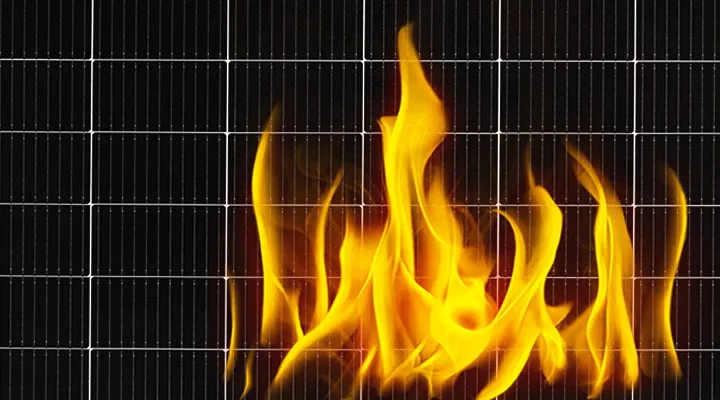
Definition of Quality: What Does “Class A” Really Mean?
In the world of fire safety, not all certifications are created equal. gave UL 790 (ASTM E108) Standard is the industry standard for testing the fire resistance of roofs. It divides products into three categories:
-
Class C: Provides a mild degree of fire protection.
-
Class B: Provides moderate fire protection.
-
Class A: Highest rated. It provides maximum degree of fire protection, capable of withstanding severe fire exposure.
Achieving a Class A fire rating for building-integrated flexible solar energythe panel must pass three rigorous tests: Diffusion of flame testthe Burning brand testand Intermittent flame test. Singold’s BIPV-ready panels are specially designed to ensure that the material does not support combustion or allow fire to penetrate the building substrate.
The Science of Resistance: Singold’s High Polymer Flame Retardants
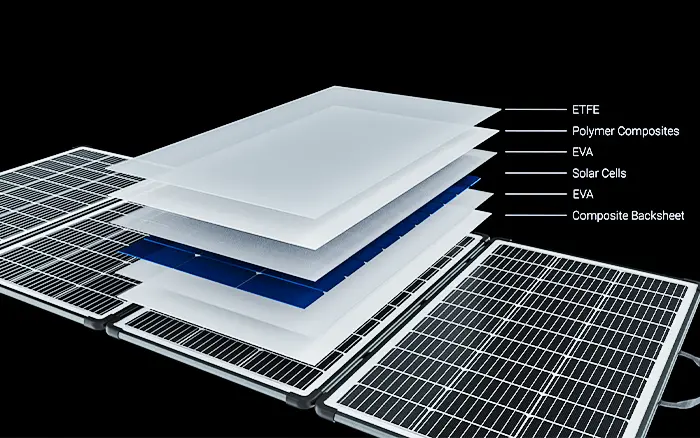
The primary challenge with flexible solar energy is the use of polymers such as ETFE, EVA, or backsheets, which are naturally organic and potentially flammable. Singold solves this through a proprietary Composite flame retardant matrix.
Intumescent molecular layers.
Unlike surface coatings that can wear off, Singold integrates flame retardant additives directly into our polymer films. These additives use an “intumescent” mechanism. When exposed to intense heat, the material undergoes a chemical reaction that forms a stable, carbonaceous char layer. This char acts as an insulating thermal barrier, protecting the internal solar cells and preventing flame from spreading across the panel surface.
Halogen free symmetry.
According to 2026 environmental standards, ours are flame retardants. 100% halogen free. Conventional flame retardants often release toxic gases when burned. Singold’s “green chemistry” approach ensures that in the event of a fire, smoke density is reduced, and no corrosive or toxic fumes are released.
Passing the Spread of Flame Test: Singold Protocol
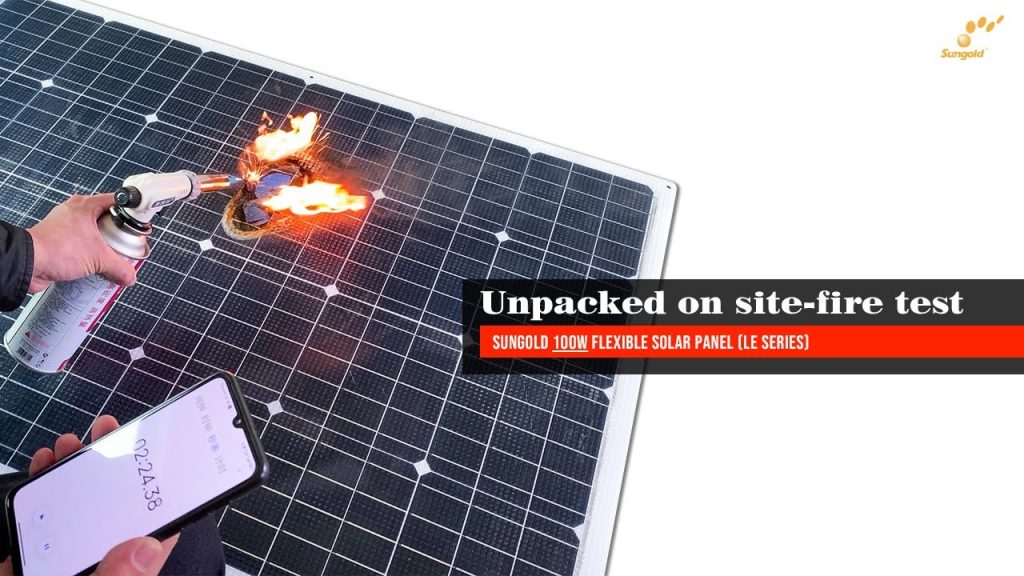
To validate us Class A fire rating for building-integrated flexible solar energyWe subject our modules to 12 mph winds and flame temperatures in excess of 760°C (1400°F).
| Test Matriculation | Requirement for Class A | Singold Performance |
| Flame spread distance | 6 feet maximum | Less than 1.5 feet |
| Duration of exposure | 10 minutes | Pass (Zero Penetration) |
| Ignition of the substrate | No one is allowed. | Zero ignition |
Result: The flame effectively “stalls” when it hits the singold panel. Polymer matrix sealants, but do not liquefy or drip, prevent fire from traveling under the facade or into the roof structure.
Why B2B Decision Makers Prefer Class A Classification
A panel selection for B2B partners – including EPC contractors and solar distributors – Class A fire rating for building-integrated flexible solar energy is a strategic financial decision.
-
Reduction in insurance premium: Buildings outfitted with Class A rated materials often qualify for significantly lower insurance premiums.
-
Speed Allowed: City planning departments and fire marshals in Tier-1 cities (such as New York, London, or Shenzhen) increasingly mandate Class A materials for high-end BIPV projects.
-
Tenant Protection: For high-value commercial real estate, occupant safety is a top priority. Singold panels provide peace of mind that an energy-efficient facade is a protector, not a liability.
Frequently Asked Questions: Fire Safety in Flexible Solar Energy
Q: Can flexible panels really be as safe as glass?
A: Yes Through the use of composite fiberglass layers and high polymer flame retardants, Singold’s flexible modules achieve the same fire ratings as traditional tempered glass panels while maintaining their lightweight benefits.
Question: Does the flame retardant reduce the performance of the panel?
A: No, our additives are optically neutral and integrated into the module’s passive layers. Light transmission is maintained through our ETFE front sheets. 95%+.
Q: Is Class A required for residential RV use?
A: Although not legally required for most RVs, many owners prefer Class A-rated panels for added security, especially when parking in wildfire-prone areas or crowded campsites.
6. Conclusion: The future is fireproof.
Integrating solar energy into our built environment is essential for a sustainable 2026. However, this transition must be based on uncompromising safety standards. By obtaining a Class A fire rating for building-integrated flexible solar energySingold Solar has moved beyond simple manufacturing into the realm of architectural safety engineering.
Our commitment to high polymer flame retardant research ensures that your building is not just a source of clean energy, but a fortress of safety.