
Virtual fencing only works if it can withstand real conditions: heat, dust, rain, distance and time.
Energy: Why Solar Matters
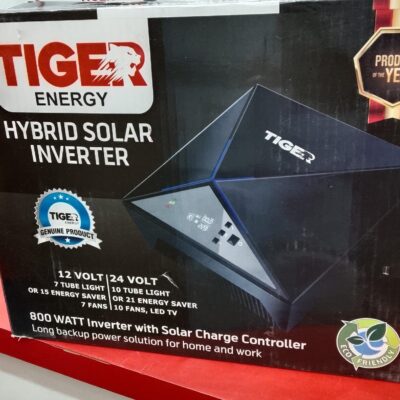
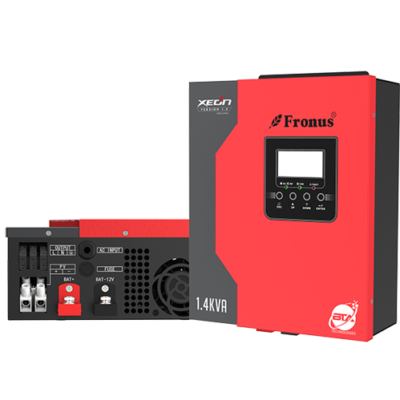
Most virtual fencing systems operate far from reliable grid power. Solar isn’t a “green feature” here – it’s a practical necessity.
Modern systems are designed so that a few hours of daylight can support a full day of GPS tracking and communications. Base stations usually include battery reservoirs large enough to ride in bad weather.
The goal is not perfection.
This is continuity.
Contact: One size does not fit all
Different environments demand different networks.
Large, remote farms often rely on low-powered private networks such as Loravan. Regions with decent infrastructure can use cellular IoT. Highly isolated sites are increasingly connected to local networks with satellite backhaul.
The best systems don’t rely on a single link. They assume something will fail and plan for it.
Behavior, not power
This is where many people get virtual fences wrong.
Animals are not physically restrained. They are guidance.
An audio signal alerts the animal when it reaches the limit. Only when it continues does the system apply a mild electrical pulse. Over time, animals learn to respond to a single sound.
Most adapted during the day.
After that, interception drops dramatically. This system relaxes, not tightens. It makes a difference—for well-being, for energy use, and for long-term reliability.