
What is the average price of an RV in 2026?
In 2026, from new RV prices $10,000 (Travel Trailers) to end $300,000 (Class A Motorhomes). For full-time living, expect monthly expenses in between. $1,500 and $3,500. You can significantly reduce costs by purchasing and installing used units. Singold Solar Panels To avoid expensive campground hookup fees.
Here’s a quick breakdown of RV types and their price ranges:
| Type of RV | Average price (2026) | Description |
| Class A Motorhome | $100,000–$300,000+ | Large, luxurious, perfect for full-time living |
| Class B camper van | $80,000–$150,000 | Compact, easy to operate, ideal for solo or couple. |
| Class C Motorhome | $70,000–$140,000 | Medium sized, family friendly |
| Travel trailer | $10,000–$60,000 | Towable, budget-friendly |
| The fifth wheel | $30,000–$100,000 | Spacious, needs a pickup truck to tow. |
“Prices reflect 2026 market averages for new and gently used models.”
Tip: Consider the Used RV Market-You can save 20-40% compared to buying new.
What are the ongoing costs of owning an RV?
Buying an RV is just the beginning. Here’s what you can expect to spend annually:
fuel: $500–$1,000/month (Class A RVs use more gas)
Insurance: $1,000–$2,000/year
Maintenance and Repair: $1,000–$2,000/year
Camp Ground Fee: $20–$80/night or $500–$1,500/month
Registration and Taxation: Varies by state.
Storage (if not full time): $50–$200/month
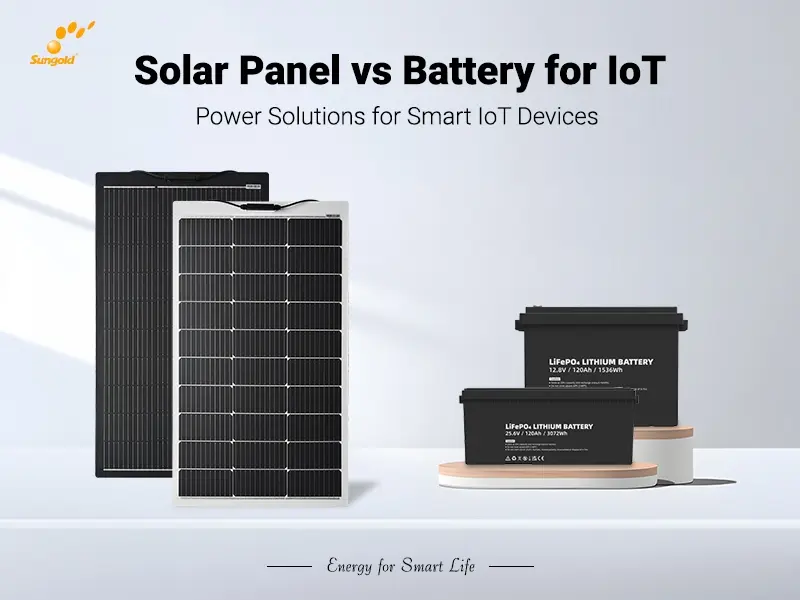
✅ Pro tip: Reduce long-term costs with RV solar panelsGenerate off-grid power and reduce your reliance on campgrounds with hookups.
How do you budget for RV ownership?
A realistic creation RV budget Both expected and unexpected expenses include:
Fixed Expenses:
Loan repayment (if financial aid)
Insurance
Internet/Cellular plans
Memberships (Good Sam, Harvest Hosts, etc.)
Variable Costs:
Gas prices (based on mileage)
Maintenance and tire replacement
RV upgrades (eg solar systemair conditioning, or water filters)
💡 Solar Energy Solution Advice: Singold Solar Portable solar panels And Flexible Lightweight RV Kits Help reduce energy bills and support long-distance travel.
Is it cheaper to live in an RV than in a house?
Yes, it can be! According to research from full-time RVers and Echo Flowcan be taken from monthly RV living expenses. $1,200–$2,500Depends on your travel style and setup.
RV Life Saving Opportunities:
Lower utility bills
No property taxes or mortgages.
Flexibility in Boondocks (Free Campsites)
Reduced lifestyle expenses
⚡ Save more. By investing in Solar panels For free, renewable energy. Singold Solar Offers Ultralight RV Solar Modules Perfect for off-grid living.
What is the best RV for full-time living?
Choosing the best RV depends on your budget, travel style, and number of occupants.
| Travel style | The best RV type | Why it works |
| Solo Gypsy | Class B van | Compact, efficient, easy to park |
| couples | Class C or Fifth Wheel | Offers more space and storage. |
| Families with children | Fifth wheel with bunkhouse | Separate sleeping areas. |
| Seekers of luxury | Class A Motorhome | Spacious home like amenities |
✅ Streamline full-time RV life Solar powered RVs or by installing Singold’s flexible solar panels on your roof.
Is RV ownership a good investment?
Financially? Not always.
Like cars, RVs degrade over time. But when it comes to Lifestyle ROI-Freedom, adventure, and low living expenses—RV ownership can be priceless.
To Protect your investment.:
Buy Used (Let Someone Else Depreciate)
Maintain it regularly
Upgrade with essentials like Solar energy systems To improve recycling cost
🔧 Singolds PA219 series flexible panel Built to withstand vibration, heat, and moisture—perfect for long-term RV use.
Final Thoughts: How to Make RV Life Affordable
RV living doesn’t have to break the bank. Here are ways to make it more sustainable:
Buy and renovate a pre-owned RV.
Drive slowly to save fuel.
use RV solar panels To reduce campground fees
Cook on board.
DIY your care
Use membership discounts for campsites and repairs.
Frequently Asked Questions
Q1: How much does it really cost to live in an RV full-time per month?
A: Most full-time RVers spend between **$1,500 and $3,500 per month**. This budget covers campground fees ($500–$1,500), fuel ($500+), insurance and food. You can cut that to less than $2,000 by “boondocking” (free camping) with an off-grid solar setup instead of paying for hookups at night.
Q2: What are the biggest hidden costs of RV ownership?
A: Beyond the purchase price, prepare for Depreciation (RVs lose value quickly) Storage fees ($50–$200/month if not living in), and Unexpected maintenance. A good rule of thumb is to budget $1,000–$2,000 annually for repairs like tire replacements and roof sealing.
Q3: How can I lower my RV campground fees with solar?
A: By installing a solar system, you can get started. boondocking For free on public lands like BLM areas, instead of paying $50–$80 per night (camping without a hookup). Singold’s flexible solar panels Provides off-grid power needed for lights and devices, allowing you to boondock in comfort for long periods of time.
Ready to power up your RV life?
Singold Solar Offers Durable, lightweight, and easy-to-install solar panels Designed for RV living — helps you travel farther, stay longer and save money.
As the costs of RV ownership continue to rise in 2025—from campground fees to fuel and maintenance.Investing in off-grid solar energy is one of the most effective ways to reduce long-term costs. gaining energy independence. Whether you’re a weekend traveler or a full-time nomad, a reliable solar setup helps you avoid hookup costs, extend your stay and enjoy the freedom of life on the road.